The "FDA First" Fallacy
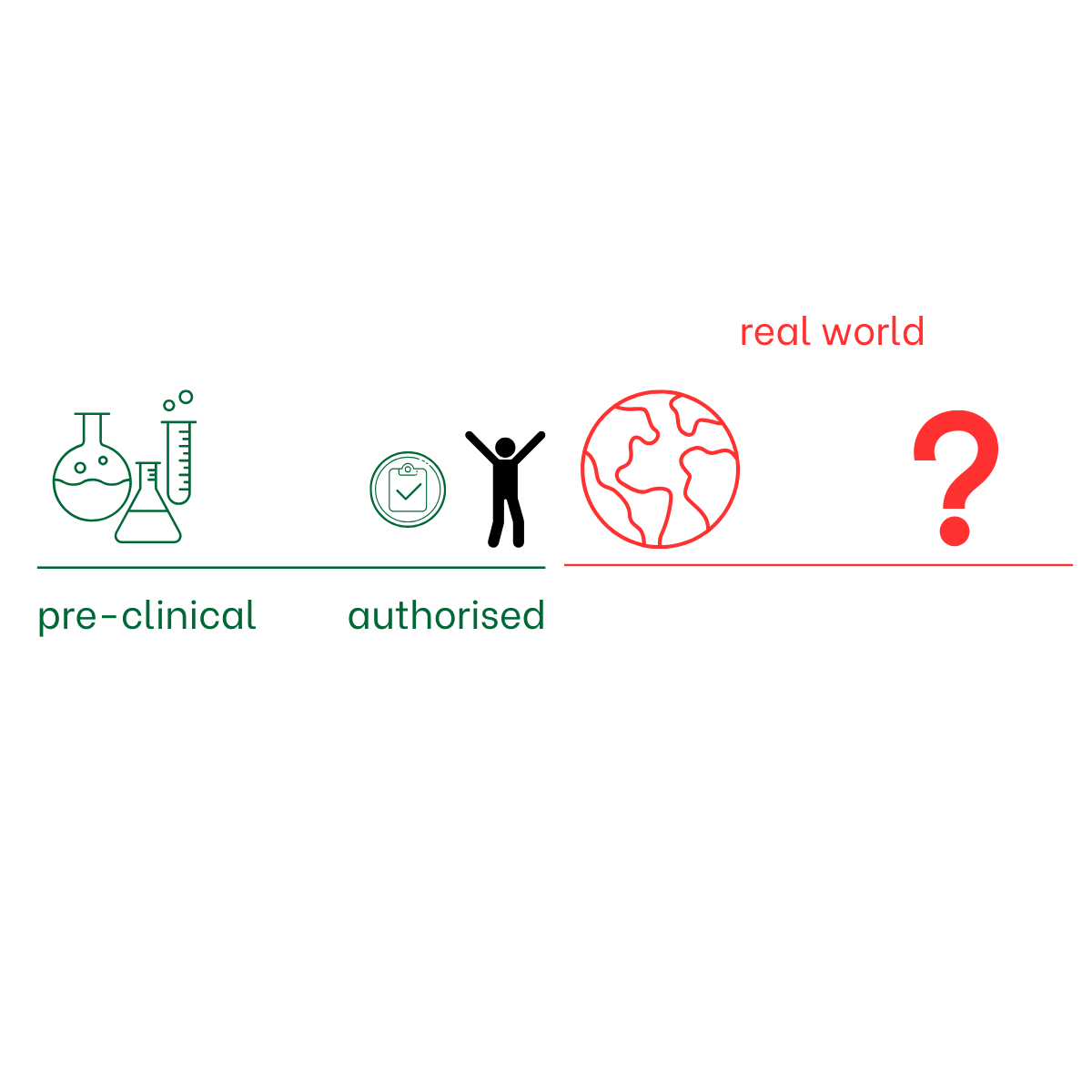
Start-ups, driven by limited resources and the need for rapid success, often default to an "FDA first" strategy. Europe, with its 30 countries (27 EU member states, plus Iceland, Lichtenstein, and Norway), 24 official languages, and 30 different legal systems, can seem daunting to navigate. This limited market approach, while understandable, sacrifices significant opportunities for growth and patient access. Start-ups typically consist of 1-10 people, max, who speak some form of English. With considerations given to the limited resources outlined above, plus the limited time, additional resources, and knowledge, it’s a given that they are only going to go for the FDA approval, "we'll tackle Europe later."
The Asia-Pacific (APAC) region represents a significant market for rare disease therapies, offering substantial opportunities for venture capital (VC) investment. However, despite considerable progress in recent years, many companies seeking VC funding still lack a comprehensive global strategy that effectively addresses the unique challenges of this market. Diverse regulatory frameworks and varying levels of healthcare infrastructure across the region pose unique challenges for those seeking to bring therapies to patients.
While we won't delve into the specifics of APAC, MENA (where cultural sensitivities and data privacy considerations require careful navigation), or LATAM (where economic disparities and limited access to specialized care centres can hinder patient recruitment and treatment delivery) in detail, the challenges faced in navigating the FDA and EMA landscapes are largely transferable and applicable. VCs should be aware that many promising start-ups, despite possessing innovative therapies and strong teams, often focus primarily on FDA registration, neglecting the significant potential of these broader markets. This limited focus ultimately restricts patient access to potentially life-saving therapies and may hinder the return on investment for VCs.
Overall, this avoidance mirrors the hesitation observed with EMA expansion, where similar complexities and perceived barriers hinder market entry. To maximize the potential of rare disease investments, VCs should encourage and support portfolio companies in developing comprehensive global strategies that address the unique needs and challenges of diverse regions, including APAC, MENA, and LATAM. By fostering a global perspective, VCs can contribute to both patient well-being and the long-term success of their investments.